Global Japanese Sushi Rolls
Highlighted under: World Feast | Global Banquet
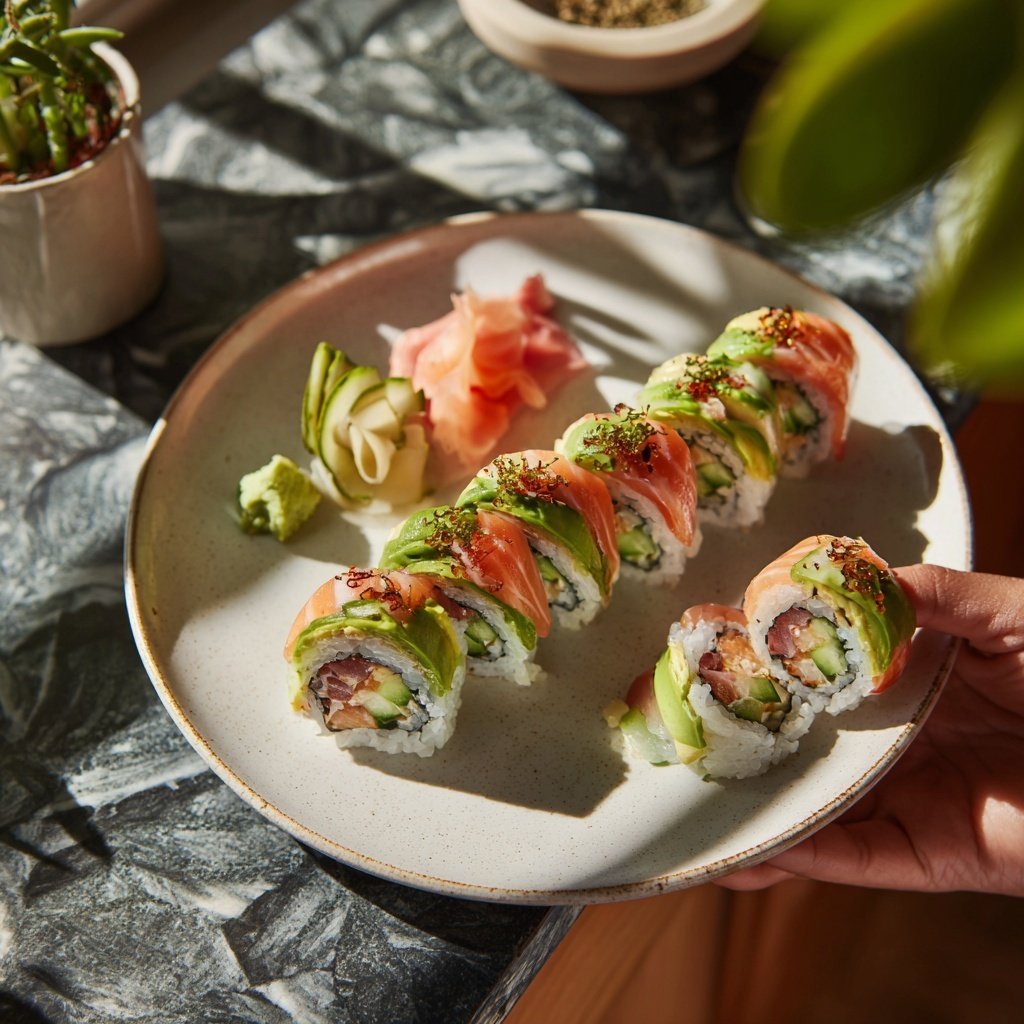
I absolutely love making sushi at home, and Global Japanese Sushi Rolls have become a favorite in my household. The art of rolling sushi not only feels rewarding, but it also allows for endless creativity with fillings and flavors. This particular recipe merges traditional techniques with international flavors, resulting in a delicious and unique sushi experience. Whether you're enjoying them alone or sharing with friends, every bite is an adventurous explosion of taste that brings joy and satisfaction to the table.
When I first made Global Japanese Sushi Rolls, I wasn't sure how well my non-traditional fillings would go over with my family. To my delight, they were an instant hit! The combination of fresh vegetables, seasoned fish, and a touch of creativity made all the difference. One trick I learned is to use sushi rice that’s sticky enough to hold together, making rolling much easier.
Over time, I’ve experimented with various sauces and toppings, from spicy mayo to sesame seeds, which really elevate the taste. The key is to balance flavors and textures, ensuring that each bite is a delightful mix that piques curiosity and appetites alike.

Why You Will Love This Recipe
- Endless variety with fillings allowing for personal tastes
- A perfect blend of texture and flavors in every roll
- Fun and interactive meal ideal for gatherings
Mastering Sushi Rice
The sushi rice is the foundation of your sushi rolls, so getting it right is essential. Rinse the rice thoroughly under cold water until it is no longer cloudy; this removes excess starch and prevents the rice from becoming gummy. When cooking, use a heavy-bottomed pot for even heat distribution. After simmering for 20 minutes, allow it to sit off the heat to finish steaming, which results in perfectly cooked grains that are tender yet slightly sticky.
Once the rice is cooked and allowed to rest, it's vital to incorporate the vinegar mixture while the rice is still warm. This enhances the rice’s flavor and helps it maintain its elasticity when rolling. To avoid mushy rice, gently fold in the vinegar, sugar, and salt using a spatula, being careful not to mash the grains. You want the rice to be glossy and well-coated without losing its structure.
Rolling Techniques
The technique of rolling sushi can take some practice, but the right approach makes it easier. Begin by preparing your filling ingredients in advance; having everything ready allows for a more seamless rolling experience. When spreading the rice on the nori, wet your hands to prevent sticking and apply an even pressure. The rice should cover the nori from edge to edge, except for about one inch at the top to ensure a good seal after rolling.
As you roll, use the bamboo mat to guide the sushi tightly, applying gentle pressure. If the roll is too loose, your sushi will fall apart during slicing. To secure the roll's edge, brush a little water along the top edge of the nori before sealing. A sharp knife is crucial for slicing; for clean cuts, it's advisable to wet the blade between slices as this prevents sticking and ensures neat, professional-looking pieces.
Serving and Variations
Sushi is best enjoyed when it's fresh, yet there are ways to enhance your experience. Serve your sushi rolls with a small bowl of soy sauce for dipping, and don't forget the wasabi and pickled ginger for an extra kick. I often prepare a light salad or miso soup as an accompaniment, which pairs beautifully with sushi. If you're hosting a gathering, consider making a variety of rolls to cater to different tastes, including vegetarian options with ingredients like bell peppers, carrots, and cream cheese.
For storage, sushi is ideally consumed on the same day it's made, but if you have leftovers, keep them in an airtight container in the fridge for up to 24 hours. Reheat any leftover rice gently in the microwave with a damp paper towel to restore some moisture before making additional rolls. Feel free to experiment with different fillings, like cooked shrimp, tempura vegetables, or even fusion ingredients like spicy mayo or sriracha for a unique twist on classic sushi.
Ingredients
Gather all your ingredients before you start rolling!
Sushi Ingredients
- 2 cups sushi rice
- 2 1/2 cups water
- 1/4 cup rice vinegar
- 2 tablespoons sugar
- 1 teaspoon salt
- 4 sheets nori (seaweed)
- 1/2 cucumber, julienned
- 1 avocado, sliced
- 1/2 pound fresh sushi-grade fish (like salmon or tuna), sliced
- Soy sauce, for serving
- Wasabi and pickled ginger, for garnish
Once your ingredients are prepared, you’re ready to roll your sushi!
Instructions
Follow these steps to create your beautiful sushi rolls.
Prepare the Rice
Rinse the sushi rice under cold water until the water runs clear. Combine the rice and water in a pot and cook over medium heat until boiling. Reduce the heat to low, cover, and simmer for 20 minutes. Remove from heat and let it sit for 10 minutes. Mix the rice vinegar, sugar, and salt in a bowl, then fold it gently into the rice.
Roll the Sushi
Place a bamboo sushi mat on a flat surface and lay a sheet of nori, shiny side down. Wet your hands and take a handful of sushi rice, spreading it evenly over the nori, leaving about 1 inch at the top edge. Place your fillings (cucumber, avocado, and fish) in a line across the center of the rice. Carefully lift the mat and roll the sushi away from you, pressing firmly to create a tight roll. Seal the edge with a little water.
Slice and Serve
Use a sharp knife to slice the sushi roll into bite-sized pieces. Clean the knife with a damp cloth between cuts to ensure clean edges. Arrange on a plate and serve with soy sauce, wasabi, and pickled ginger.
Enjoy your delicious homemade sushi rolls!
Pro Tips
- Experiment with different fillings and sauces to find the perfect combination that suits your palate. Remember to keep the rolls tight for better presentation and flavor distribution.
Ingredient Substitutions
If you’re unable to find sushi-grade fish, consider alternatives such as cooked shrimp, crab meat, or even tofu for a vegetarian option. For those who are lactose intolerant or on dairy-free diets, swap out the cream cheese with avocado or a vegan cream cheese alternative. Experimenting with different vegetables, like bell peppers or radishes, can also create diverse flavors and textures in your rolls.
When it comes to nori, there are several substitutes available for those with seaweed allergies. Thinly sliced cucumber or large lettuce leaves can be used as wraps, providing a refreshing and crunchy alternative. Additionally, ready-made sushi wraps can be found in some grocery stores, offering a convenient option for your sushi-making endeavors.
Make-Ahead Tips
Preparing sushi can be time-consuming, so making sushi rice a day in advance can save you time. Simply cool the rice and store it in an airtight container in the refrigerator. When you're ready to roll, gently reheat it in a microwave with a damp cloth to restore its sticky texture. Having your fillings prepped and ready to go will also streamline the process on the day of serving, so consider chopping vegetables and slicing fish beforehand.
If you're planning to have a sushi night with friends, set up a DIY sushi bar with all toppings on display. This interactive approach not only speeds up the process but also encourages creativity. Each guest can customize their rolls using their favorite combinations, which can lead to some delicious and fun creations.
Troubleshooting Rolling Issues
If your sushi rolls are falling apart, the most common issue is either the rice not being sticky enough or not using enough pressure while rolling. Make sure your rice is well-seasoned and cooled to the right consistency. If you're using too many fillings, it may be impossible to roll tightly, so keep your portions modest until you get the hang of it.
Should the nori be too dry and brittle, moisture may have been lost during storage. Lightly toasting the nori over a stovetop flame for a few seconds before rolling can improve its flexibility and flavor. Also, avoid leaving assembled sushi for too long before slicing; the longer they sit, the more moisture they absorb, which can affect the texture of the roll.
Questions About Recipes
→ Can I use brown rice instead of sushi rice?
While you can, brown rice doesn't have the same stickiness as sushi rice, which may affect the rolling process.
→ What are some non-seafood alternatives for fillings?
Try using grilled chicken, roasted vegetables, or tofu for a delicious non-seafood option.
→ How long can I store leftover sushi rolls?
It's best to consume sushi rolls the same day, but if you have leftovers, store them in the refrigerator for up to 24 hours.
→ Can I freeze sushi rolls?
It's not recommended to freeze sushi rolls as the texture can become unappealing when thawed.
Global Japanese Sushi Rolls
Created by: The Dishroots Team
Recipe Type: World Feast | Global Banquet
Skill Level: Intermediate
Final Quantity: 4 rolls
What You'll Need
Sushi Ingredients
- 2 cups sushi rice
- 2 1/2 cups water
- 1/4 cup rice vinegar
- 2 tablespoons sugar
- 1 teaspoon salt
- 4 sheets nori (seaweed)
- 1/2 cucumber, julienned
- 1 avocado, sliced
- 1/2 pound fresh sushi-grade fish (like salmon or tuna), sliced
- Soy sauce, for serving
- Wasabi and pickled ginger, for garnish
How-To Steps
Rinse the sushi rice under cold water until the water runs clear. Combine the rice and water in a pot and cook over medium heat until boiling. Reduce the heat to low, cover, and simmer for 20 minutes. Remove from heat and let it sit for 10 minutes. Mix the rice vinegar, sugar, and salt in a bowl, then fold it gently into the rice.
Place a bamboo sushi mat on a flat surface and lay a sheet of nori, shiny side down. Wet your hands and take a handful of sushi rice, spreading it evenly over the nori, leaving about 1 inch at the top edge. Place your fillings (cucumber, avocado, and fish) in a line across the center of the rice. Carefully lift the mat and roll the sushi away from you, pressing firmly to create a tight roll. Seal the edge with a little water.
Use a sharp knife to slice the sushi roll into bite-sized pieces. Clean the knife with a damp cloth between cuts to ensure clean edges. Arrange on a plate and serve with soy sauce, wasabi, and pickled ginger.
Extra Tips
- Experiment with different fillings and sauces to find the perfect combination that suits your palate. Remember to keep the rolls tight for better presentation and flavor distribution.
Nutritional Breakdown (Per Serving)
- Calories: 500 kcal
- Total Fat: 10g
- Saturated Fat: 2g
- Cholesterol: 30mg
- Sodium: 600mg
- Total Carbohydrates: 85g
- Dietary Fiber: 5g
- Sugars: 2g
- Protein: 15g