Artisan Breads and Spreads
Highlighted under: World Feast | Global Banquet
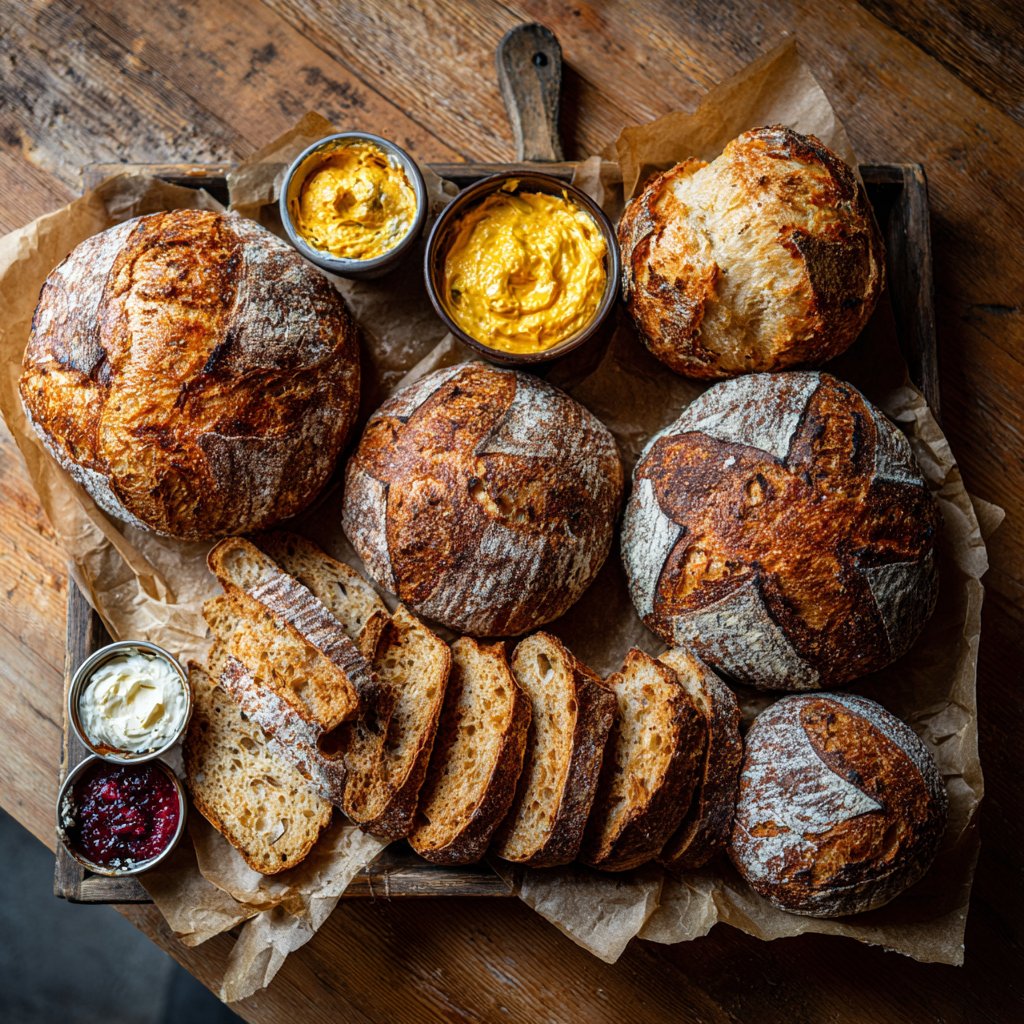
I love crafting my own artisan breads and spreads, and there's truly nothing like the aroma of freshly baked bread wafting through the kitchen. The process is enjoyable and rewarding, as you can customize flavors to suit your taste. This recipe not only reveals the secrets of making a perfect crusty loaf but also pairs it beautifully with delicious spreads that add an interesting twist. It’s a delightful experience perfect for sharing with loved ones or for a cozy night in.
When I first ventured into the world of artisan breads, I was surprised by how easy it is to create that bakery-quality loaf at home. The secret lies in the quality of ingredients and the technique; letting the dough rest allows its flavors to develop beautifully. I remember the first time I paired my homemade bread with a rich garlic herb spread – it was a game changer that transformed my simple meal into something truly special.
Experimenting with different flours and adding seeds like sesame or poppy on top brings not just flavor but also a rustic charm to the bread. My favorite moment is the first slice, warm and slathered with cream cheese or an olive tapenade. The combination of textures and tastes sends my culinary passion into overdrive!
Why You'll Love This Recipe
- Homemade bread that is crusty on the outside and soft on the inside
- Versatile spreads that can be customized to your palate
- A fun project that is perfect for family gatherings or a cozy evening
The Art of Bread Making
When making artisan bread, the choice of flour plays a crucial role in the final outcome. All-purpose flour provides a good base due to its balanced protein content, but if you're willing to experiment, consider incorporating a percentage of bread flour for a chewier texture. Alternatively, if you prefer a nutty flavor, whole wheat flour can be substituted for up to 50% of the all-purpose flour. Just remember, any substitution may slightly affect hydration, so adjust the water amount accordingly.
Kneading is an essential step in developing gluten, which gives bread its structure. After mixing the dough, knead for about 5-10 minutes until it becomes smooth and elastic. If you notice that the dough is too sticky, lightly flour your hands and the surface instead of adding too much flour, which can lead to a denser loaf. To check if you've kneaded enough, perform the 'windowpane test' by stretching a small piece of dough; it should stretch thin without tearing.
Tips for Perfectly Baked Bread
The baking temperature of 450°F (230°C) is critical for achieving a crusty exterior. To enhance this, consider placing a pan of water on the lower rack of the oven while it preheats. The steam created will keep the dough moist initially, allowing it to rise before forming a crust. This will result in a more pronounced oven spring and a crust that crackles when you take it out.
Once your loaf is baked, let it cool on a wire rack for at least 30 minutes before slicing. This crucial resting period allows the steam inside to redistribute, resulting in a softer interior. I’ve found that cutting into the bread too early results in a gummy texture; patience pays off in the end!
Creative Spread Variations
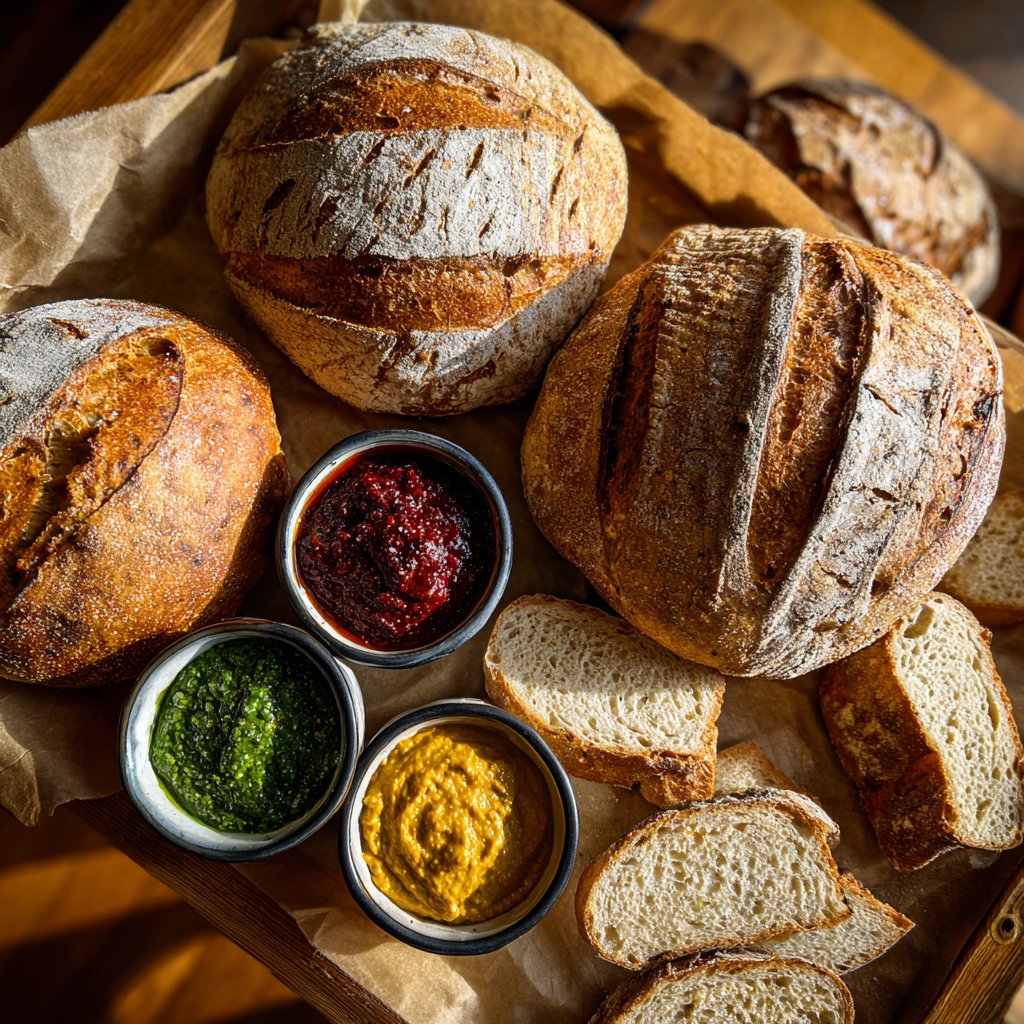
The spreads are versatile, and you can customize them to suit your tastes. For a spicier kick, add a pinch of red pepper flakes or a few dashes of your favorite hot sauce to the cream cheese blend. Alternatively, swap out the olive oil for flavored oils, like garlic-infused or chili oil, for an extra layer of flavor. Don’t shy away from including ingredients like sun-dried tomatoes or caramelized onions to create a rich, savory spread.
If you're looking for a lighter option, consider using Greek yogurt instead of cream cheese; it adds a tangy flavor while reducing calories. To elevate the dish further, serve the spreads in small bowls with a sprinkle of fresh herbs or a drizzle of balsamic reduction for presentation. Pair your freshly baked bread with these spreads for an impressive sharing platter!
Ingredients
Gather these ingredients to get started on your artisan breads and spreads:
For the Bread
- 3 cups all-purpose flour
- 1 1/2 teaspoons salt
- 1 teaspoon instant yeast
- 1 1/4 cups warm water
For the Spreads
- 1/2 cup cream cheese
- 2 tablespoons fresh herbs (thyme, basil, or dill)
- 1/4 cup olive oil
- 1 tablespoon minced garlic
- Salt and pepper to taste
Instructions
Follow these steps to create your artisan bread and spreads:
Mix the Dough
In a large bowl, combine the flour, salt, and yeast. Gradually add the warm water, stirring until a sticky dough forms.
Knead and Rise
Transfer the dough to a floured surface for a brief knead, then place it back into the bowl. Cover with a damp cloth and let it rise for 30 minutes.
Shape the Loaf
After rising, shape the dough into a round loaf and place it on a baking sheet lined with parchment paper. Let it rest for 15 minutes.
Bake the Bread
While the dough rests, preheat your oven to 450°F (230°C). Bake the loaf for about 30 minutes or until golden brown.
Prepare the Spreads
While the bread is baking, mix cream cheese with herbs, olive oil, and garlic in a bowl. Season with salt and pepper to taste.
Serve the freshly baked bread warm with your choice of spreads on the side.
Pro Tips
- For a crustier loaf, place a pan of water in the bottom of the oven while baking. This creates steam that enhances the crust.
Storage and Reheating
Homemade artisan bread can be stored at room temperature, wrapped in a clean kitchen towel or in a paper bag for up to three days. Avoid plastic wraps as they can trap moisture and make the crust soggy. If you need to keep it longer, consider freezing it. Slice the bread first, then wrap each slice in plastic wrap followed by aluminum foil for extra protection. It can last up to three months in the freezer, and you can toast the slices directly from frozen.
To reheat, preheat your oven to 350°F (175°C), then place the loaf or slices directly on the oven rack for about 10-15 minutes. Keep an eye on it to prevent over-browning. This method revitalizes that freshly baked crust while warming the inside beautifully.
Serving Suggestions
This artisan bread pairs wonderfully with a variety of accompaniments beyond the spreads. Serve it alongside hearty soups, fresh salads, or even as a base for bruschetta topped with fresh tomatoes, basil, and a drizzle of olive oil. For a more indulgent experience, consider pairing it with cheese boards featuring a mix of soft and hard cheeses, dried fruits, and nuts.
For a fun twist, you can also turn this bread into a delectable panini. After baking, slice the loaf and fill it with your choice of deli meats, cheeses, and roasted vegetables. Grill it in a pan with a little butter or olive oil until golden and crispy. This way, your artisan bread can shine as both a side and a main event at your dining table!
Questions About Recipes
→ Can I use whole wheat flour instead of all-purpose flour?
Yes, you can substitute whole wheat flour. You may need to adjust the water quantity since whole wheat flour absorbs more liquid.
→ How do I store leftover bread?
Wrap the bread in a clean kitchen towel and store it in a bread box or paper bag. For longer storage, freeze it in an airtight bag.
→ Can I make the dough in advance?
Absolutely! You can prepare the dough, refrigerate it overnight, and bring to room temperature before baking.
→ What other spreads can I make?
You can try hummus, tapenade, or even a sweet spread like fruit preserves or honey.
Artisan Breads and Spreads
Created by: The Dishroots Team
Recipe Type: World Feast | Global Banquet
Skill Level: Intermediate
Final Quantity: 8 servings
What You'll Need
For the Bread
- 3 cups all-purpose flour
- 1 1/2 teaspoons salt
- 1 teaspoon instant yeast
- 1 1/4 cups warm water
For the Spreads
- 1/2 cup cream cheese
- 2 tablespoons fresh herbs (thyme, basil, or dill)
- 1/4 cup olive oil
- 1 tablespoon minced garlic
- Salt and pepper to taste
How-To Steps
In a large bowl, combine the flour, salt, and yeast. Gradually add the warm water, stirring until a sticky dough forms.
Transfer the dough to a floured surface for a brief knead, then place it back into the bowl. Cover with a damp cloth and let it rise for 30 minutes.
After rising, shape the dough into a round loaf and place it on a baking sheet lined with parchment paper. Let it rest for 15 minutes.
While the dough rests, preheat your oven to 450°F (230°C). Bake the loaf for about 30 minutes or until golden brown.
While the bread is baking, mix cream cheese with herbs, olive oil, and garlic in a bowl. Season with salt and pepper to taste.
Extra Tips
- For a crustier loaf, place a pan of water in the bottom of the oven while baking. This creates steam that enhances the crust.
Nutritional Breakdown (Per Serving)
- Calories: 200 kcal
- Total Fat: 12g
- Saturated Fat: 6g
- Cholesterol: 20mg
- Sodium: 150mg
- Total Carbohydrates: 22g
- Dietary Fiber: 1g
- Sugars: 1g
- Protein: 5g